
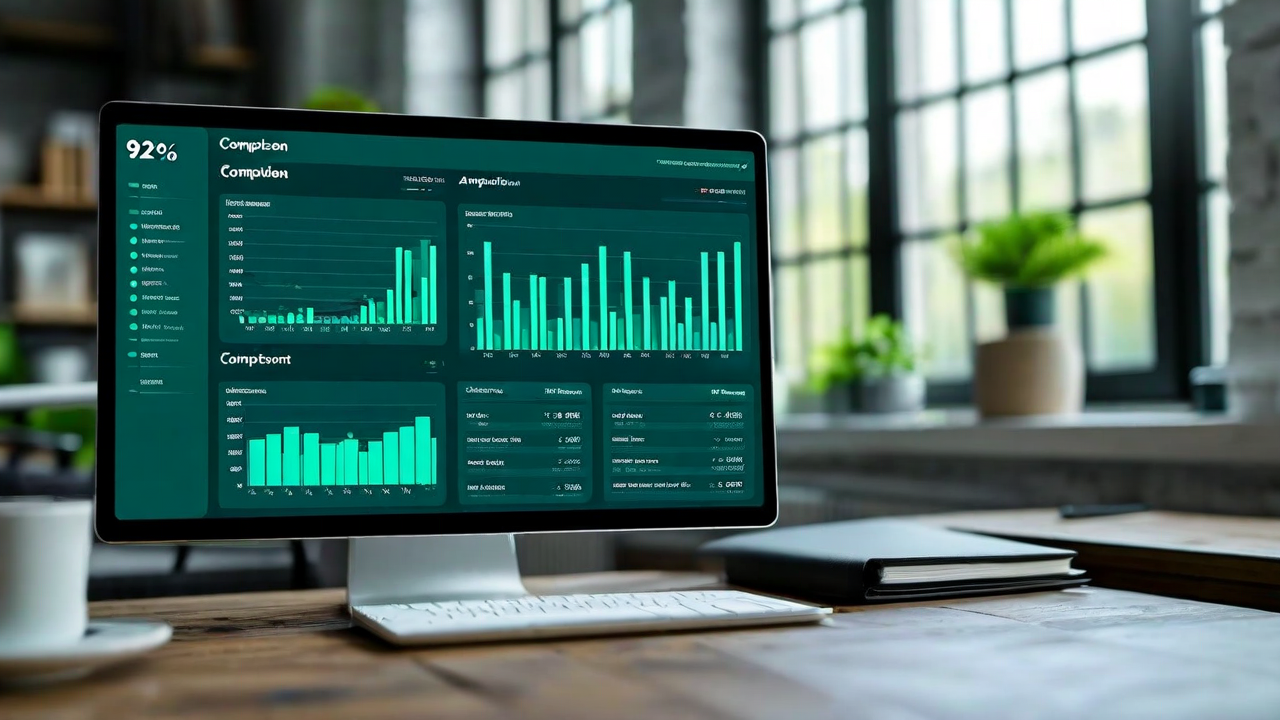
We talk about our 92% course completion rate constantly, because we are proud of it. But we also think it is worth being honest about why most AI education platforms perform so poorly — and specifically what we did differently. This article is that explanation.
Why 15% Is the Industry Average
The prevailing model for online AI education was built for passive consumption: record a lecture, add some quizzes, publish. This model works acceptably well for motivated learners with strong prior knowledge who primarily need structured access to information. That is a small fraction of working professionals seeking AI certification. For everyone else — people with existing jobs, limited study time, variable math backgrounds, and no direct peer accountability — passive video courses reliably fail.
What Actually Drives Completion
Based on our analysis of completion data across 50,000+ learning sessions, five factors predict whether a professional will complete an AI course: perceived progress momentum (do they feel they are advancing?), just-in-time support (can they get help when stuck, not in 48 hours?), appropriate challenge calibration (is the material hard enough to engage but not so hard it discourages?), social accountability (do they have any external commitment?), and compute availability (can they do the hands-on work without friction?).
How GetAILearn Addresses Each Factor
Progress momentum is addressed by the adaptive engine, which dynamically selects the next learning unit to maximize the feeling of advancement while maintaining knowledge coverage. Support is addressed by office hours availability five days per week and weekly live sessions. Challenge calibration is the core function of the adaptive algorithm. Social accountability is addressed by cohort-based enrollment and mentor check-ins. Compute availability is addressed by integrated GPU labs that require zero setup.
The Result
When we combine all five factors, the system produces a completion rate that is simply incomparable to passive video platforms. 92% is not a marketing number — it is the natural outcome of building a product that correctly models how professionals actually learn technical skills.